
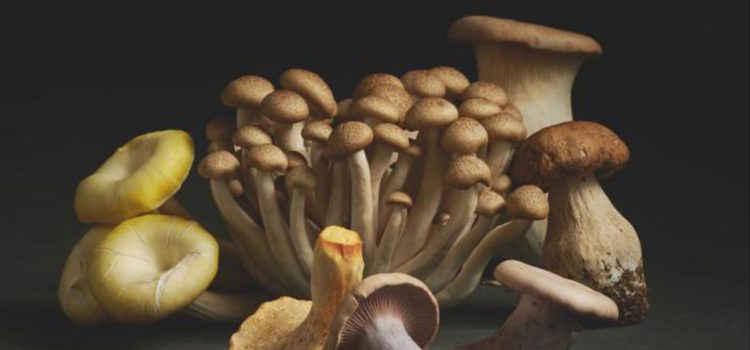
Mushrooms have always fascinated and intrigued humankind with their unique and mystifying characteristics. These extraordinary organisms belong to the kingdom Fungi and come in a vast array of shapes, sizes, colors, and forms. From the magical allure of the vibrant red fly agaric to the delicate translucence of the enoki mushrooms, these fascinating fungi have captivated our attention for centuries.
Aside from their aesthetic appeal, mushrooms also boast a remarkable range of flavors and textures that have transformed them into a staple ingredient in various culinary traditions across the globe. While some mushrooms such as button mushrooms and portobellos are widely known and consumed, there is an incredible diversity of edible mushrooms waiting to be discovered and savored. Moreover, beyond their gastronomic value, mushrooms play a significant role in ecosystems as decomposers, recyclers, and symbiotic partners with plants.
The Culinary Delights of Mushroom Foraging
Foraging for mushrooms has become a popular activity for nature enthusiasts and food lovers alike. The thrill of stumbling upon a hidden patch of wild mushrooms brings a sense of adventure and discovery. However, it is important to exercise caution when foraging, as some mushrooms can be toxic or deadly if consumed. Therefore, it is essential to educate yourself on proper identification techniques and to consult reliable sources such as https://lovelolablog.com/2024/01/08/safely-enjoying-shrooms-in-montreal-tips-and-guidelines/ for tips and guidelines.
Once you have familiarized yourself with the safe edible varieties, mushroom foraging opens up a world of culinary delights. From earthy chanterelles to meaty morels, wild mushrooms offer a depth of flavor that is unmatched by their cultivated counterparts. Sauteed in butter, roasted with herbs, or used to enhance the umami profile of a dish, these fungi add complexity and intrigue to any recipe. Whether you incorporate them into a hearty pasta dish or use them as the star ingredient in a vegetarian risotto, the possibilities are endless when it comes to exploring the delicious potential of wild mushrooms.
In addition to their culinary value, mushrooms have also gained recognition for their potential health benefits. With their diverse array of compounds, including beta-glucans, antioxidants, and vitamins, mushrooms have been studied for their immune-boosting, anti-inflammatory, and cancer-fighting properties. Researchers are continually uncovering the potential therapeutic uses of mushrooms, which may contribute to the development of new treatments and medicines in the future.
Furthermore, mushrooms have a sustainable and low environmental impact compared to traditional livestock farming. As a vegetarian protein source, they require less land, water, and resources to grow, making them an attractive option for those concerned about sustainability and animal welfare.
In conclusion, mushrooms are not only captivating organisms that offer endless culinary possibilities but also promote human health and have positive environmental implications. Exploring the diverse world of mushrooms can be a rewarding and enriching experience, whether through foraging in the wild or experimenting with different varieties in the kitchen. It is a journey of discovery that allows us to appreciate the wonders of nature while nourishing our bodies and our planet.