
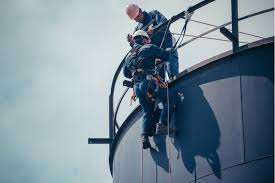
Working at height is a common occurrence in many industries, including construction, engineering, and maintenance. It involves working above the ground level, whether on ladders, scaffolding, rooftops, or elevated platforms. While these tasks are necessary to complete various job responsibilities, they also come with significant risks and hazards that must be properly addressed. The safety of workers working at height is of utmost importance, as falls from heights can result in severe injuries, disabilities, or even fatalities.
Employers have a legal and moral responsibility to provide a safe working environment for their employees, especially those working at height. This not only includes providing appropriate safety equipment and resources but also ensuring that workers receive proper training to prevent accidents and mitigate risks. This article will delve into the various aspects related to working at height, including the potential hazards, safety measures, risk assessments, and best practices. By understanding the risks associated with working at height and implementing the necessary safety protocols, employers can safeguard their workers and create a culture of safety within their organizations.
 Safety Guidelines for Working at Height
When it comes to working at height, there are three simple rules that should always be followed to ensure safety. These rules are essential in preventing accidents and protecting workers from potential hazards. The first rule is planning. Before starting any work at height, thorough planning is crucial. This includes assessing the risks, identifying potential hazards, and implementing necessary safety measures. To learn more about the three simple rules to follow when working at height, you can find more information.
The Importance of Training and Equipment
In addition to following the three simple rules, proper training and the use of appropriate equipment are also vital in ensuring safety when working at height. All workers involved in tasks at elevated levels should receive adequate training on the use of equipment, emergency procedures, and risk assessments. Furthermore, using the right equipment such as fall protection systems, guardrails, and harnesses can greatly minimize the risk of accidents. To delve deeper into the importance of training and equipment in working at height, refer to find more information.
In conclusion, working at height poses significant risks and hazards that must be addressed to ensure the safety of workers. Employers have a legal and moral responsibility to provide a safe working environment and must prioritize proper training and the use of appropriate equipment. Planning, risk assessments, and implementing necessary safety measures are essential to prevent accidents and protect workers from potential hazards. By following the three simple rules for working at height and emphasizing the importance of training and equipment, employers can effectively safeguard their workers and foster a culture of safety within their organizations.